
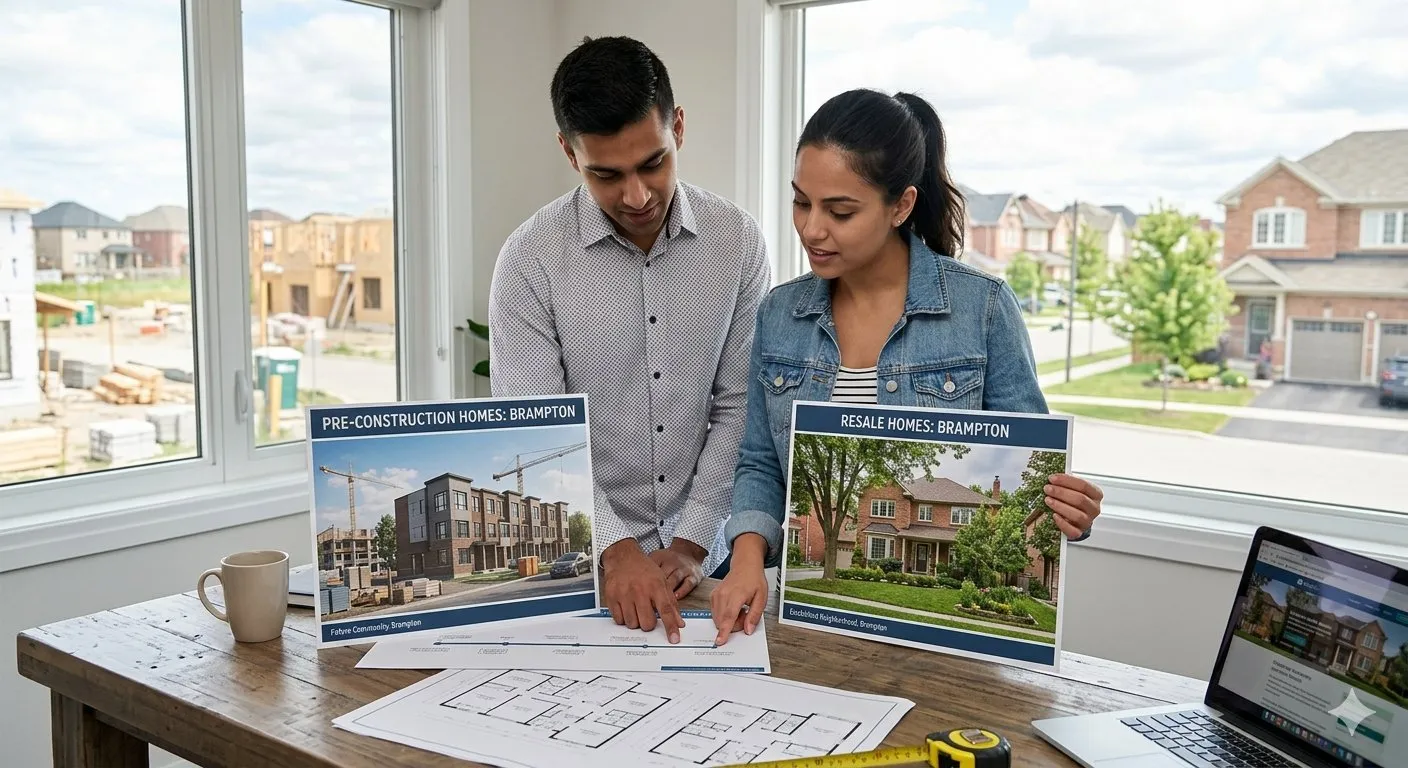
Buying a home involves deciding not only where to live but also what type of property will support your plans. Some buyers prefer an established neighbourhood with mature surroundings, while others are attracted to newly developed communities. Interest in pre construction homes Brampton continues to create opportunities for purchasers exploring modern layouts and newly built properties. However, choosing between pre-construction and resale housing requires more than comparing appearances. Construction timelines, financing arrangements, neighbourhood development, and ownership costs can significantly affect which option makes sense for a particular household.
Understanding the Difference Between Property Types
Pre-construction properties are generally purchased before construction is completed, sometimes when only floor plans and development information are available. Buyers may have opportunities to select layouts, finishes, or upgrades, depending on the builder and stage of development.
Resale homes already exist and can usually be inspected before purchase. Buyers can assess the surrounding streets, building condition, and available amenities directly. However, established properties may require repairs, renovations, or adjustments to accommodate changing household needs.
Why New Developments Appeal to Buyers
New construction often attracts purchasers interested in contemporary designs, energy-efficient features, and modern building materials. Open-concept living areas, updated kitchens, and flexible spaces may suit households looking for practical layouts without immediate renovation projects.
Buyers comparing townhouses for sale Brampton can also encounter both newly developed and established properties. Townhouses may provide an alternative to detached homes, although maintenance arrangements, parking facilities, and potential condominium fees vary considerably between individual developments.
Construction Timelines Can Affect Your Plans
One major consideration when purchasing pre-construction property is the expected completion date. Developers typically provide estimated timelines, but weather conditions, material availability, construction requirements, and other circumstances can contribute to delays.
This uncertainty matters for buyers arranging rental agreements, school transitions, or the sale of another property. Reviewing contractual occupancy provisions and preparing alternative accommodation arrangements can reduce disruption if possession occurs later than originally anticipated.
Financing Requires Careful Preparation
Financing a resale property commonly involves arranging mortgage approval around an established closing date. Pre-construction purchases can involve deposits paid in stages, with mortgage financing potentially required much later when the property approaches completion.
Changes in income, lending requirements, interest rates, or property valuations may influence future borrowing eligibility. Buyers should discuss these uncertainties with qualified mortgage professionals before committing significant deposits. A preliminary financing discussion does not guarantee approval at the eventual closing date.
Examine the Complete Ownership Costs
The advertised purchase price is only one part of the financial equation. Pre-construction buyers may face additional expenses for upgrades, closing adjustments, development-related charges, and applicable taxes, depending on their agreement and property type.
Resale buyers may avoid certain construction-related expenses but encounter maintenance costs sooner. Roof replacement, heating equipment, windows, or older plumbing systems can require substantial investment. Comparing realistic ownership expenses offers a more meaningful perspective than simply choosing the property with the lower initial price.
Neighbourhood Development Changes the Experience
An established Brampton community may already have schools, parks, shopping facilities, transit connections, and recognizable traffic patterns. Buyers can explore the neighbourhood and understand much of their future environment before making an offer.
New developments may initially have incomplete landscaping, ongoing construction, or amenities scheduled for later phases. Purchasers should investigate proposed infrastructure carefully and distinguish confirmed facilities from preliminary development plans. Future community improvements should never be treated as guaranteed unless supported by reliable documentation.
Pay Attention to Contracts and Protections
Pre-construction agreements may contain detailed provisions concerning construction changes, occupancy dates, substitutions, additional charges, and cancellation rights. Understanding these terms is essential because buyers could face circumstances that differ from their original expectations.
Ontario purchasers should also review applicable new-home warranty protections and builder registration requirements. Independent legal advice can clarify contractual obligations and available safeguards. For resale transactions, appropriate inspections, title searches, and carefully drafted conditions remain equally important.
Make the Choice Based on Your Lifestyle
A household requiring immediate accommodation may find an existing property more practical. Buyers with flexible timelines could consider pre-construction opportunities, provided they understand the financial commitments and uncertainty involved.
The decision should also reflect commuting requirements, family priorities, maintenance preferences, and anticipated changes over the next several years. Evaluating these practical considerations can prevent purchasers from choosing a property based primarily on attractive promotional materials or short-term excitement.
Conclusion
Neither pre-construction nor resale housing is automatically the better investment or living arrangement. Each option presents different benefits, responsibilities, and financial considerations. Buyers should review construction timelines, ownership expenses, neighbourhood conditions, and contractual details before committing. Property information and search resources available through rajandhillonrealtor.ca can support purchasers exploring residential opportunities in Brampton. Ultimately, a suitable home should align with realistic financial circumstances, personal priorities, and the flexibility required for future changes.




Leave a Reply